
For health-conscious consumers focused on prevention, gut health, sustainable and active living.
We make innovative three-way processed, germinated-hydrolysed-fermented, protein isolate, starch and fibre with health-promoting benefits.
From organic yellow peas grown at biodiversity-positive farms. Processed at-farm in containers.
Flite Protein
Creating the best vegan protein powder in a biodiverse setting

What we're doing
This isn't just another protein powder - it's the magic of our triple-processing method. Germination awakens dormant peas, increasing bioavailability and creating natural enzymes. Hydrolysis breaks proteins into easily digestible peptides your body absorbs instantly. Fermentation adds beneficial probiotics while creating bioactive compounds that support gut health and immune function. The result is a protein powder that nourishes your entire system with the concentrated power of what peas were always meant to become.
 Download Product Sheet for Pea Protein Powder
Our germinated and fermented pea fiber represents a new approach to functional fiber ingredients. The dual-processing method transforms natural pea fiber components through germination, which activates and modifies the fiber structure, followed by fermentation that further develops the material. This creates a fiber ingredient with enhanced functional properties compared to conventional pea fiber, offering improved performance characteristics while maintaining the natural benefits of plant-based fiber.
Download Product Sheet for Pea Fiber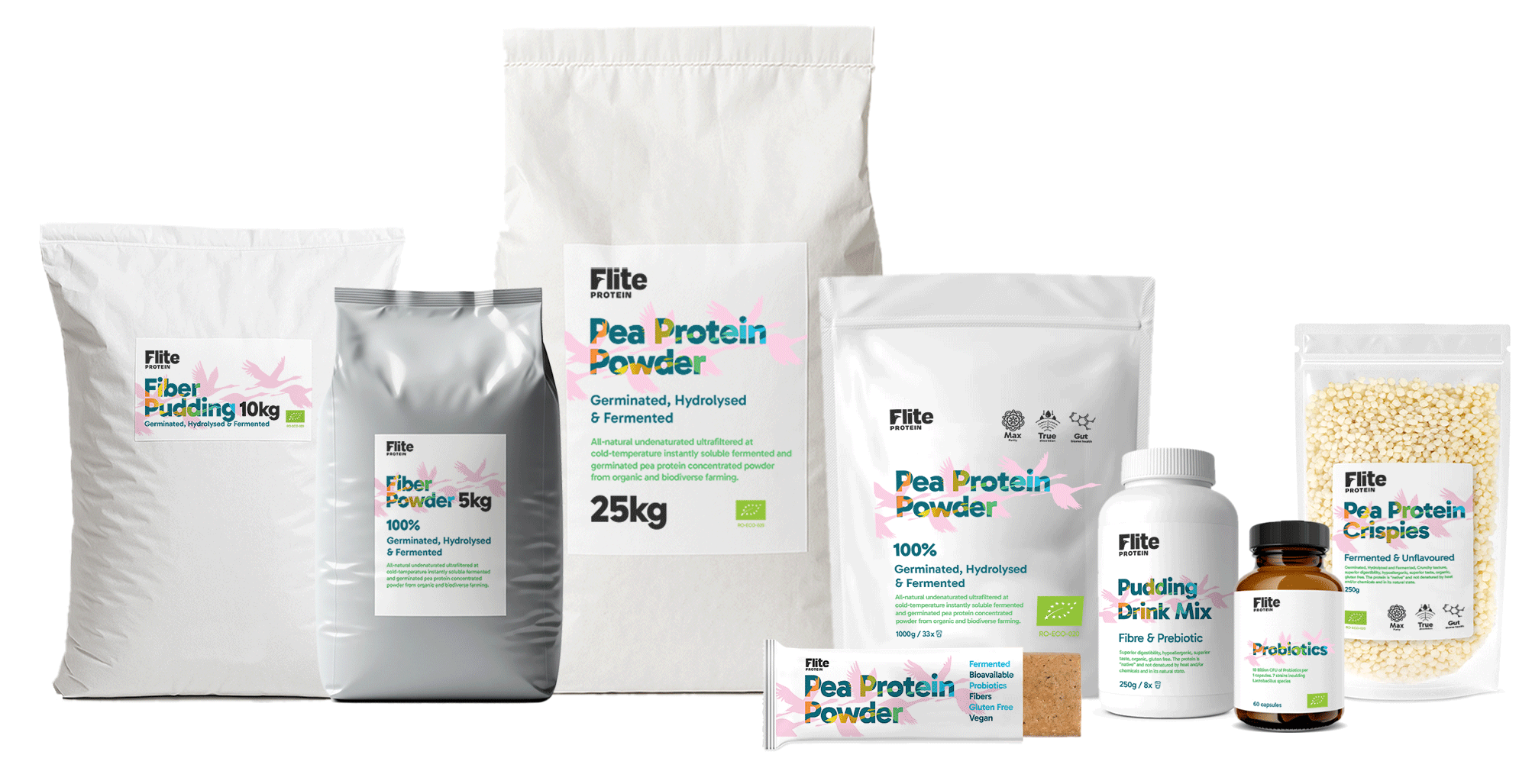
Why we're doing it
The food system is broken and needs fundamental change. Industrial agriculture drives 25% of global emissions while destroying biodiversity, with animal husbandry alone accounting for 15% of global emissions. Meanwhile, consumers are demanding better – they want sustainable, nutrient-dense food with short ingredient lists, clear labeling, and a genuine connection to where their food comes from. Conventional protein isolates, whether plant-based or animal, fall short with poor bioavailability, digestibility issues, and often contain allergens, trace chemicals, and synthetic additives that consumers increasingly reject.
The current system locks incumbents into centralized production and fragile supply chains while making it difficult for farmers to transition to biodiversity-positive farming. Farmers want technical and financial support to shift to profitable regenerative practices, but EU policy ambitions for sustainable agriculture are slow to implement, and market mechanisms like biodiversity credits remain in their infancy. Our approach bridges this gap by creating a direct pathway for farmers to participate in food innovation while producing ingredients that meet the growing demand for traceable, local, and truly sustainable nutrition.
Here are a few examples:
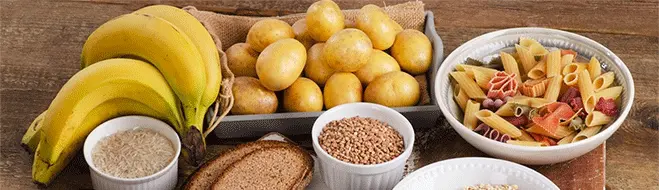
What Is Resistant Wheat Starch And Why Is It The Hottest New Ingredient in the Baking World
new researchstarchfiberseveryday cookingweight control
May 7, 2025
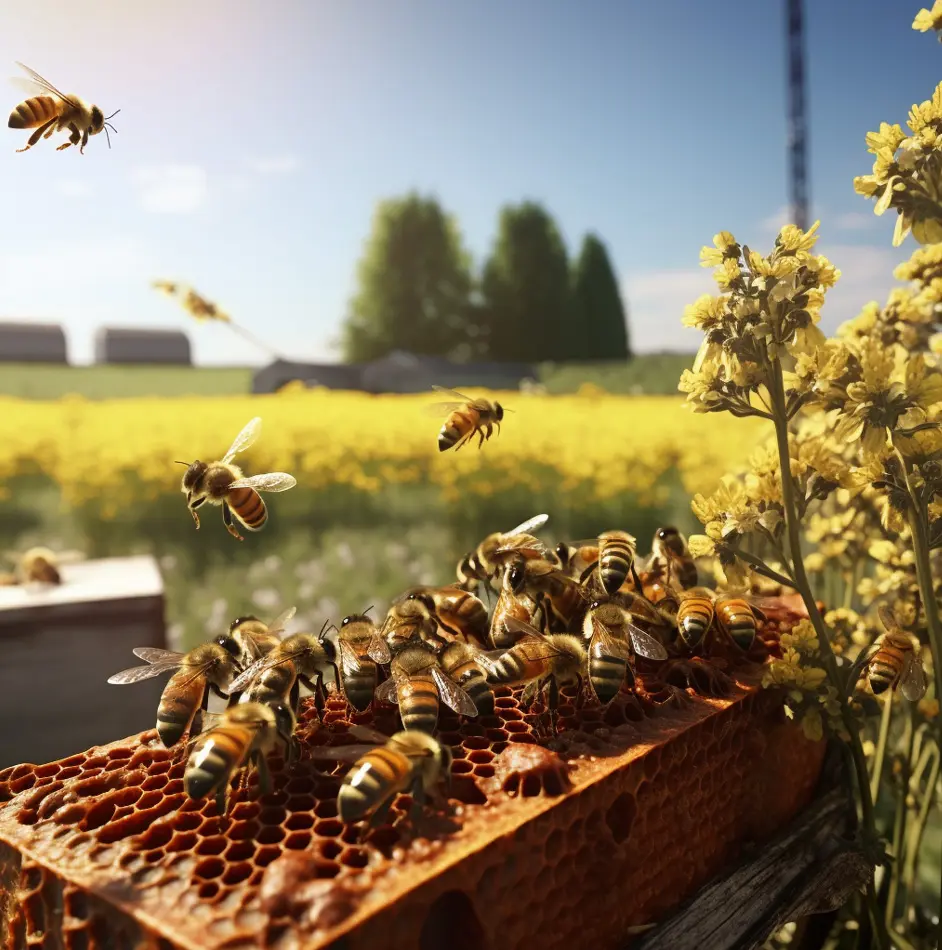
The Massive Role of Bees in our lives
agriculturebiodiversityenergy saving
Apr 30, 2025
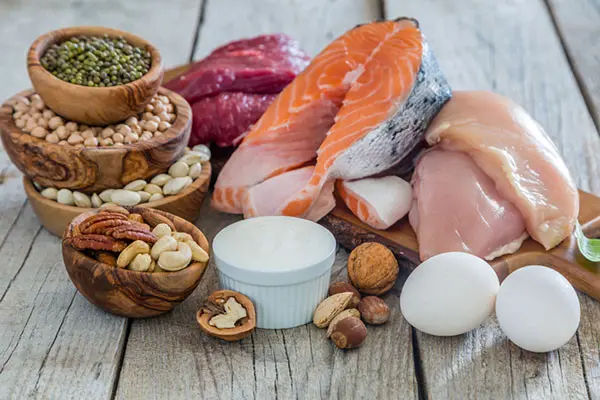
Ideal Protein 2 quantity & quality
proteinmuscle growthweight control
Apr 25, 2025
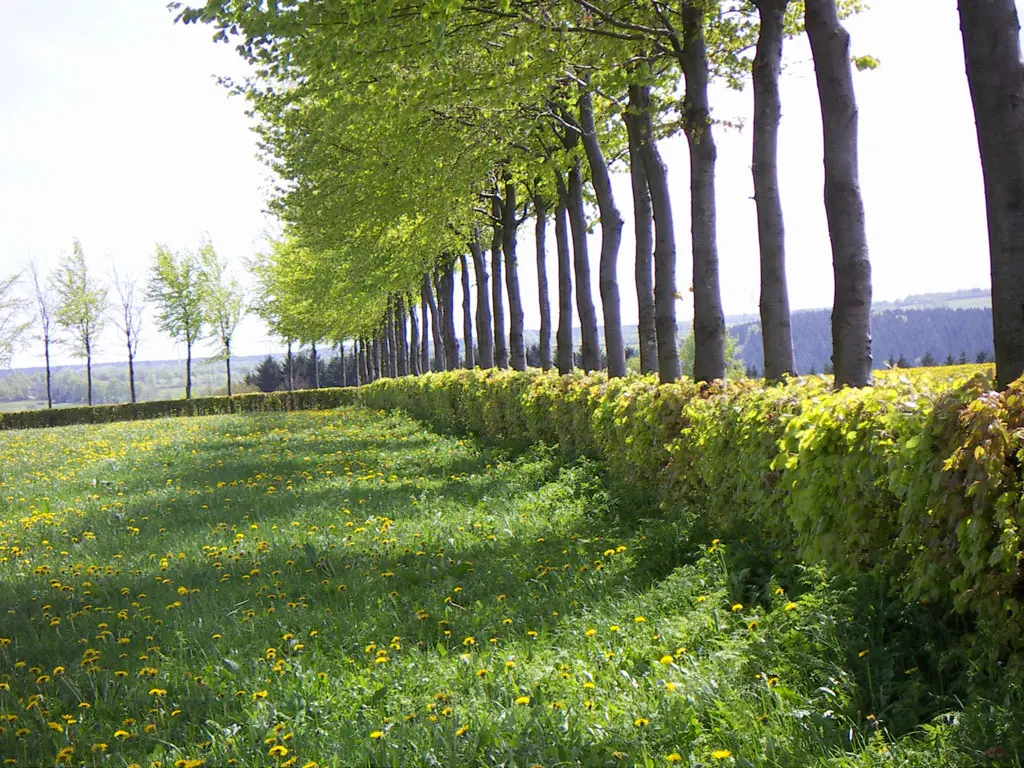
The Role of Hedges in biodiverse agriculture
new researchagriculturebiodiversity
Apr 18, 2025